×
- Hello
- Login or Register
- Quick Links
- Live Chat
- Track Order
- Parts Availability
- RMA
- Help Center
- Contact Us
- Shop for
- Acura Parts
- Acura Accessories

My Garage
My Account
Cart
Genuine Acura Brake Pad Set
Disc Brake Pad Set- Select Vehicle by Model
- Select Vehicle by VIN
Select Vehicle by Model
orMake
Model
Year
Select Vehicle by VIN
For the most accurate results, select vehicle by your VIN (Vehicle Identification Number).
144 Brake Pad Sets found
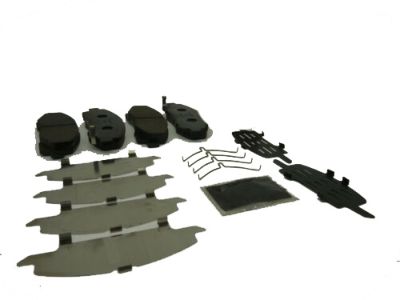

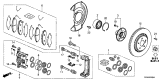
Acura Front Disc Brake Pad Set
Part Number: 45022-SJP-A01$79.75 MSRP: $111.88You Save: $32.13 (29%)Ships in 1-3 Business DaysProduct Specifications- Other Name: Front Brake Pad Set; Brake Pad, Front Pad
- Position: Front
- Replaces: 45022-SJP-A00
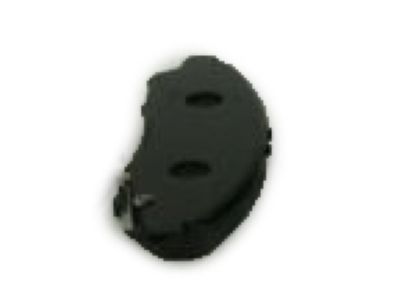
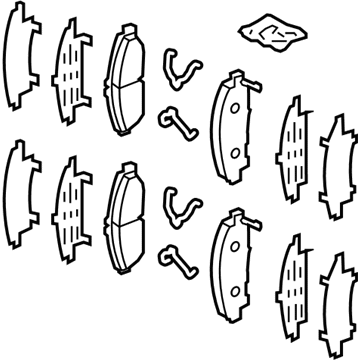
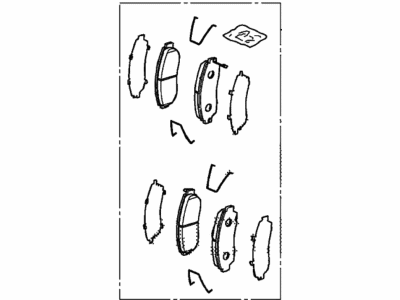
 Product Specifications
- Other Name: Front Brake Pad Set; Brake Pad, Front Pad
- Position: Front
- Replaced by: 45022-TZ5-A02

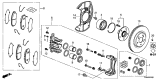 Product Specifications
- Other Name: Front Pad Set
- Position: Front
- Replaced by: 45022-TJB-A04
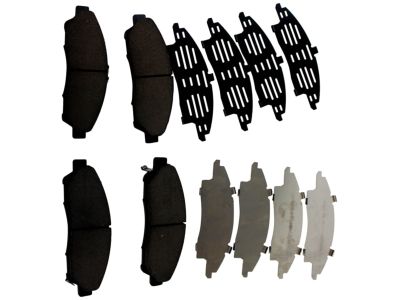
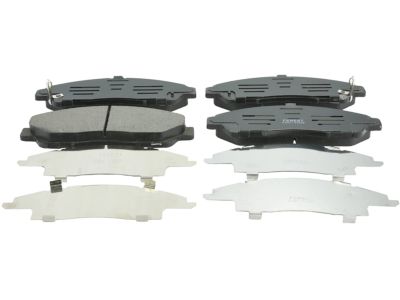
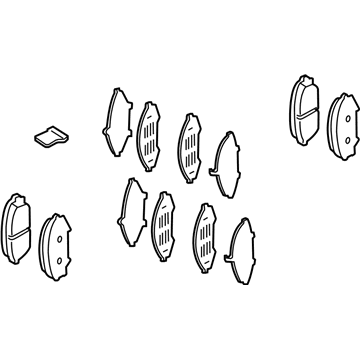
Acura Front Disc Brake Pad Set
Part Number: 45022-STX-A00$83.97 MSRP: $117.80You Save: $33.83 (29%)Ships in 1-3 Business DaysProduct Specifications- Other Name: Front Brake Pad Set
- Position: Front

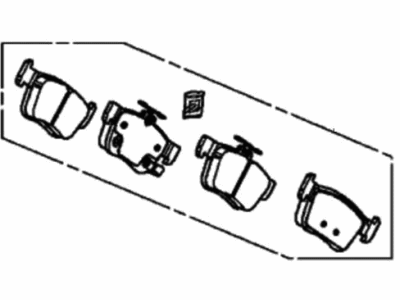

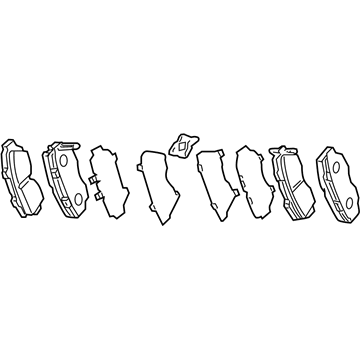
Acura Rear Disc Brake pad Set
Part Number: 43022-TGV-A02$65.53 MSRP: $91.40You Save: $25.87 (29%)Ships in 1-3 Business DaysProduct Specifications- Other Name: Pad Set, Rear; Brake Pad, Rear Pad
- Position: Rear
Acura Rear Disc Brake pad Set
Part Number: 43022-STX-A01$67.17 MSRP: $93.68You Save: $26.51 (29%)Ships in 1-3 Business DaysProduct Specifications- Other Name: Rear Brake Pad Set
- Position: Rear
- Replaces: 43022-STX-A00
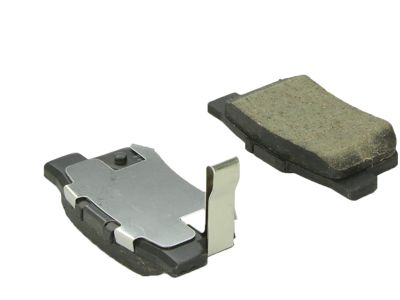
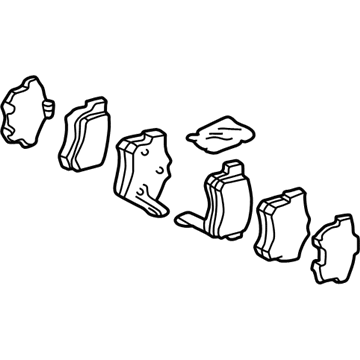
Acura Rear Disc Brake pad Set
Part Number: 43022-SEP-C01$65.53 MSRP: $91.40You Save: $25.87 (29%)Ships in 1-3 Business DaysProduct Specifications- Other Name: Rear Pad Set; Brake Pad, Rear Pad
- Position: Rear
- Replaces: 43022-SEP-A00, 43022-SEP-A01, 43022-SEP-C00
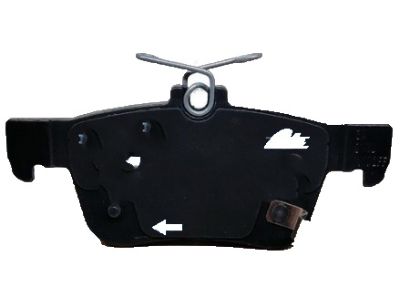


Acura Rear Disc Brake pad Set
Part Number: 43022-TJB-A02$65.53 MSRP: $91.40You Save: $25.87 (29%)Ships in 1-3 Business DaysProduct Specifications- Other Name: Rear Pad Set
- Position: Rear
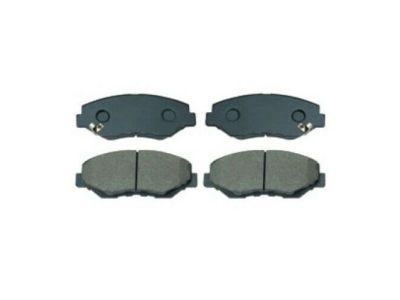

Acura Front Disc Brake Pad Set
Part Number: 45022-TE0-A61$71.87 MSRP: $100.83You Save: $28.96 (29%)Ships in 1-3 Business DaysProduct Specifications- Other Name: Brake Pads Front; Brake Pad, Front Pad
- Position: Front
- Replaces: 45022-S3N-000, 45022-TE0-999, 45022-SZ3-A50, 45022-TA0-A60, 45022-TL2-A00, 45022-SEA-J11, 45022-TE0-A60, 45022-SEA-J12, 45022-SEC-A00, 45022-SFE-J20
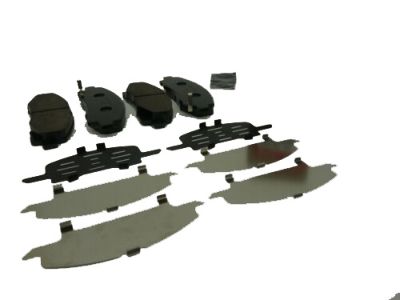
Acura Front Disc Brake pad Set (17In,28T)
Part Number: 45022-SJC-A02$79.75 MSRP: $111.88You Save: $32.13 (29%)Ships in 1-3 Business DaysProduct Specifications- Other Name: Front Pad Set(17In,28T)
- Position: Front
- Replaced by: 45022-SJC-A03
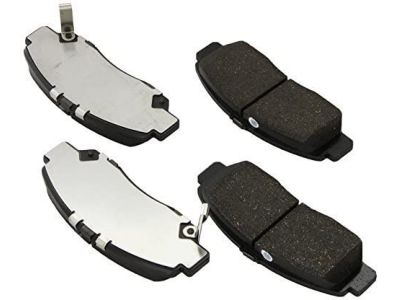
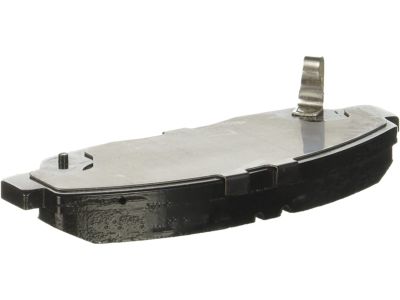
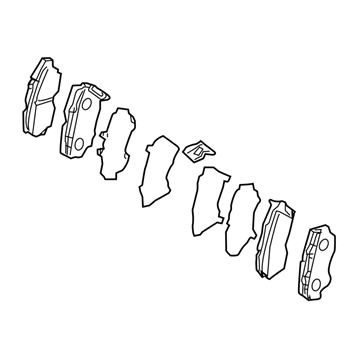
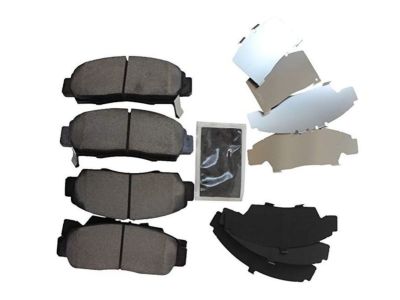
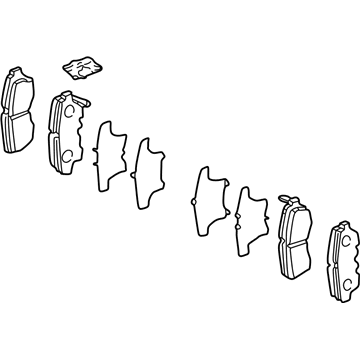
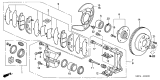
Acura Front Disc Brake Pad Set
Part Number: 45022-T3R-A01$73.47 MSRP: $103.07You Save: $29.60 (29%)Ships in 1-3 Business DaysProduct Specifications- Other Name: Front Pad Set; Brake Pad, Front Pad
- Position: Front
Acura Front Disc Brake Pad Set
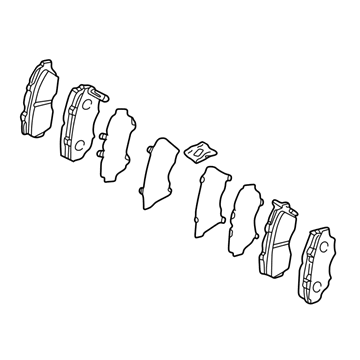
Part Number: 45022-SEP-A11$78.48 MSRP: $110.10You Save: $31.62 (29%)Ships in 1-3 Business DaysProduct Specifications- Other Name: Front Pad Set; Brake Pad, Front Pad
- Position: Front
- Replaces: 45022-SEP-A10, 45022-SEP-A01, 45022-SEP-A00


Acura Rear Disc Brake pads (Axs38)
Part Number: 43022-S3V-A12$67.17 MSRP: $93.68You Save: $26.51 (29%)Ships in 1-3 Business DaysProduct Specifications- Other Name: Rear Pad Set; Brake Pad, Rear Pad
- Position: Rear
- Replaces: 43022-S3V-A11, 43022-S3V-A10
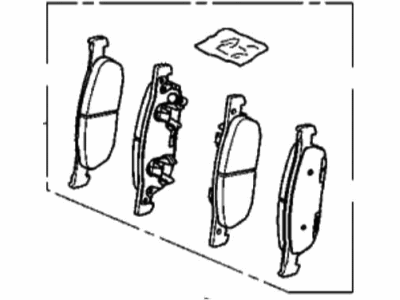
 Product Specifications
- Other Name: Set, Front Pad; Brake Pad, Front Pad
- Position: Front
- Replaces: 45022-TYA-A00
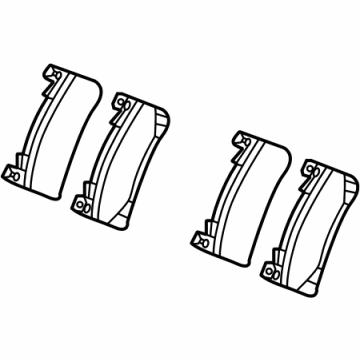
Acura Pad Set, Front
Part Number: 45022-TGZ-A01$83.14 MSRP: $116.63You Save: $33.49 (29%)Ships in 1-2 Business DaysProduct Specifications- Other Name: PAD SET, FR.; Brake Pad, Front Pad
- Position: Front
Acura Rear Disc Brake pad Set
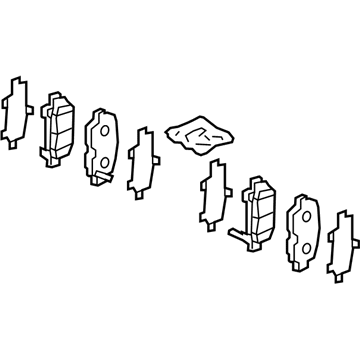
Part Number: 43022-TZ5-A01$74.65 MSRP: $104.73You Save: $30.08 (29%)Ships in 1-3 Business DaysProduct Specifications- Other Name: Rear Pad Set; Brake Pad, Rear Pad
- Position: Rear
- Replaces: 43022-TZ5-A00
Acura Front Disc Brake Pad Set
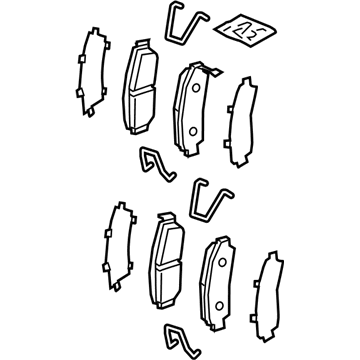
Part Number: 45022-TJB-A01$95.49 MSRP: $133.97You Save: $38.48 (29%)Ships in 1-3 Business DaysProduct Specifications- Other Name: Front Pad Set
- Position: Front
- Replaces: 45022-TJB-A00
Acura Rear Disc Brake pad Set
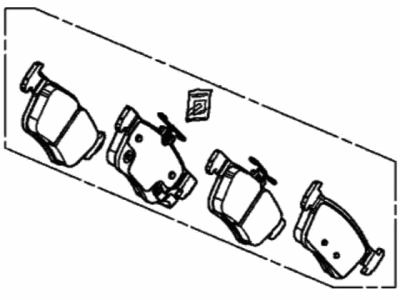
Part Number: 43022-TJB-A03$65.53 MSRP: $91.40You Save: $25.87 (29%)Ships in 1-3 Business DaysProduct Specifications- Other Name: Rear Pad Set
- Position: Rear
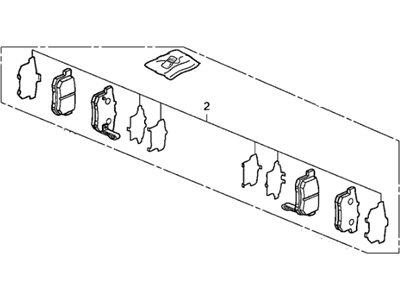
Acura Rear Disc Brake pad Set
Part Number: 43022-TK4-A01$74.65 MSRP: $104.73You Save: $30.08 (29%)Ships in 1-3 Business DaysProduct Specifications- Other Name: Rear Pad Set; Brake Pad, Rear Pad
- Position: Rear
- Replaces: 43022-SJC-A00
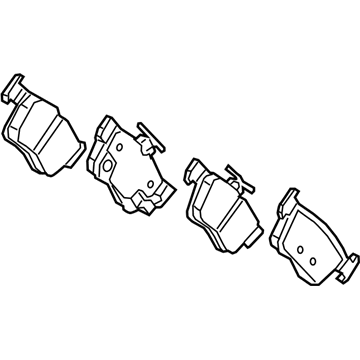
Acura Pad Set, Rear
Part Number: 43022-TJB-A04$65.53 MSRP: $91.40You Save: $25.87 (29%)Ships in 1-3 Business DaysProduct Specifications- Other Name: PAD SET, RR.; Brake Pad, Rear Pad
- Position: Rear
| Page 1 of 8 |Next >
1-20 of 144 Results
About Acura Brake Pad Set
Reliable Acura brake pads are vital for safety and great road performance. It's easy to tell if the brake pad set already need replacement even before they show signs of wear. If the brake pads are already less than an inch, it must be replaced already. A new Acura brake pad set will bring back the efficient and reliable performance of the brakes.
Acura Brake Pad Set Parts Questions & Experts Answers
- Q: How to Service and Replace a Front Brake Pad Set, Including Fluid and Caliper Maintenance on an Acura Legend?A:Do not, under any circumstances, use petroleum-based solvents to clean brake parts; use brake cleaner or denatured alcohol only. When servicing the disc brakes, use only high-quality, nationally recognized name-brand pads. Most models have disc brakes at the front and rear wheels, while some Integra models have rear drum brakes. Begin by removing the cap from the brake fluid reservoir, then loosen the front wheel lug nuts, raise the front of the vehicle, and support it securely on jack stands. Remove the front wheels, working on one brake assembly at a time, using the assembled brake for reference if necessary. Inspect the brake disc carefully; if machining is necessary, remove the disc to access the calipers and pads. Push the piston back into the bore to create room for the new brake pads, using a large C-clamp to accomplish this while ensuring the fluid in the master cylinder does not overflow. Apply a thin coat of disc brake anti-squeal compound on the backing plates of the new pads after cleaning the caliper and brake pads with brake cleaner. Install the shims onto their respective pads, followed by the pad retainers in the caliper mounting bracket, lubricating them with a thin film of silicone grease. Next, install the new pads and shims to the caliper mounting bracket, then install the caliper and caliper mounting bolts, tightening them to the specified torque. Afterward, install the wheel and lug nuts, lower the vehicle, and tighten the lug nuts to the specified torque. Finally, check the brake fluid level and add fluid if necessary, then apply and release the brake pedal and hand brake lever several times to bring the pads into contact with the brake discs, ensuring to check the operation of the brakes in an isolated area before driving the vehicle in traffic.

Related Acura Parts
 Acura Brake Disc
 Acura Brake Caliper
 Acura Brake Dust Shields
 Acura Brake Backing Plate
 Acura Brake Shoe Set
 Acura Brake Proportioning Valve
 Acura Parking Brake Shoe
 Acura Brake Caliper Repair Kit
Browse by Model
ADX Brake Pad Set CL Brake Pad Set ILX Brake Pad Set ILX Hybrid Brake Pad Set Integra Brake Pad Set Legend Brake Pad Set MDX Brake Pad Set NSX Brake Pad Set RDX Brake Pad Set RL Brake Pad Set RLX Brake Pad Set RSX Brake Pad Set SLX Brake Pad Set TL Brake Pad Set TLX Brake Pad Set TSX Brake Pad Set Vigor Brake Pad Set ZDX Brake Pad Set