×
- Hello
- Login or Register
- Quick Links
- Live Chat
- Track Order
- Parts Availability
- RMA
- Help Center
- Contact Us
- Shop for
- Acura Parts
- Acura Accessories

My Garage
My Account
Cart
Genuine Acura Oil Pan
Oil Drain Pan- Select Vehicle by Model
- Select Vehicle by VIN
Select Vehicle by Model
orMake
Model
Year
Select Vehicle by VIN
For the most accurate results, select vehicle by your VIN (Vehicle Identification Number).
51 Oil Pans found

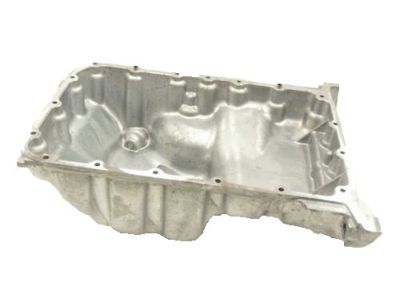
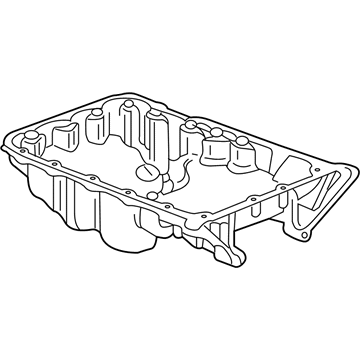

Acura Engine Oil Pan
Part Number: 11200-RYE-A00$312.56 MSRP: $446.39You Save: $133.83 (30%)Ships in 1-3 Business DaysProduct Specifications- Other Name: Pan, Oil ; Oil Pan Assembly; Oil Pan, Oil Pan Assembly
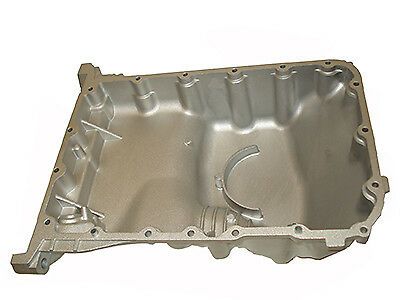


Acura Engine Oil Pan
Part Number: 11200-5MH-A00$199.69 MSRP: $285.18You Save: $85.49 (30%)Ships in 1-3 Business DaysProduct Specifications- Other Name: Pan Complete ,Oil; Oil Pan
- Replaces: 11200-RN0-A00, 11200-R70-A00, 11200-RN0-A01, 11200-R70-A01, 11200-R70-A10, 11200-R70-A11

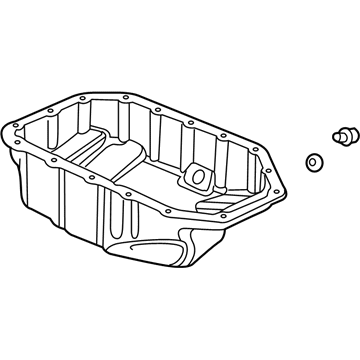
Acura Engine Oil Pan
Part Number: 11200-RBB-000$233.11 MSRP: $332.92You Save: $99.81 (30%)Ships in 1 Business DayProduct Specifications- Other Name: Pan, Oil; Oil Pan

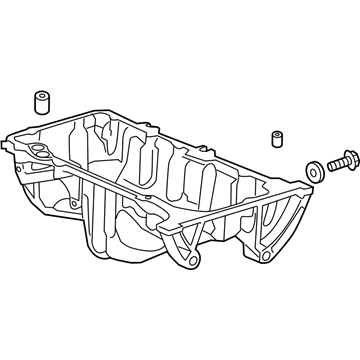

Acura Oil Pan Assembly
Part Number: 11200-R0A-000$474.97 MSRP: $678.33You Save: $203.36 (30%)Ships in 1-3 Business DaysProduct Specifications- Other Name: Pan Assembly, Oil; Oil Pan


Acura Oil Pan
Part Number: 11200-RDA-A00$199.74 MSRP: $285.26You Save: $85.52 (30%)Ships in 1-3 Business DaysProduct Specifications- Other Name: Pan, Oil ; Oil Pan Assembly; Oil Pan Assembly
- Replaces: 11200-RCA-A00
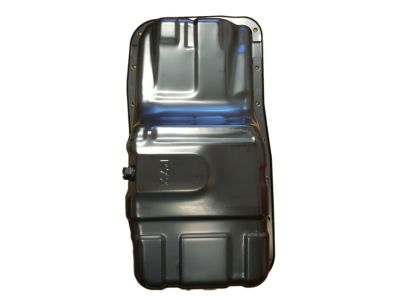


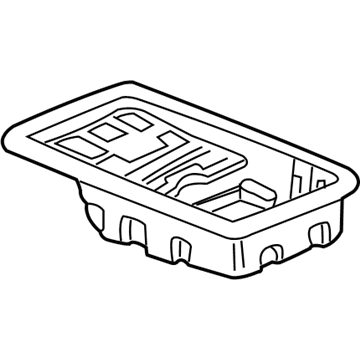
Acura Engine Oil Pan & Drain Plug
Part Number: 11200-P72-010$391.69 MSRP: $559.39You Save: $167.70 (30%)Ships in 1-3 Business DaysProduct Specifications- Other Name: Pan, Oil; Oil Pan
- Replaces: 11200-P72-000


 Product Specifications
- Other Name: Pan, Oil
- Replaces: 11200-PR7-A00


Acura Engine Oil Pan
Part Number: 11200-R40-A00$236.21 MSRP: $337.35You Save: $101.14 (30%)Ships in 1-3 Business DaysProduct Specifications- Other Name: Pan Assembly, Oil; Oil Pan
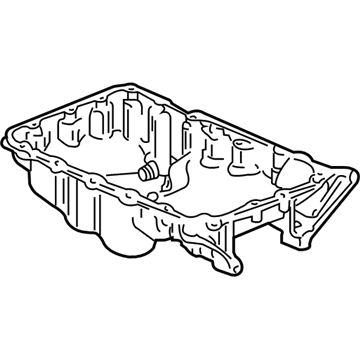
Acura Oil Pan
Part Number: 11200-5J6-A11$211.09 MSRP: $301.46You Save: $90.37 (30%)Ships in 1-2 Business DaysProduct Specifications- Other Name: Pan, Oil
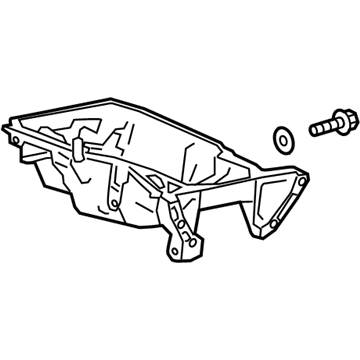
Acura Oil Pan Assembly
Part Number: 11200-6B2-A00$272.79 MSRP: $389.59You Save: $116.80 (30%)Ships in 1-3 Business DaysProduct Specifications- Other Name: Pan Assembly , Oil; Oil Pan
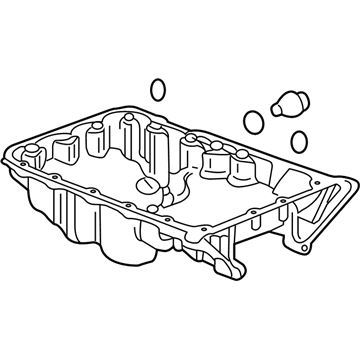
Acura Oil Pan Complete
Part Number: 11200-5J2-A00$244.51 MSRP: $349.20You Save: $104.69 (30%)Ships in 1-3 Business DaysProduct Specifications- Other Name: Pan Complete ,Oil; Oil Pan
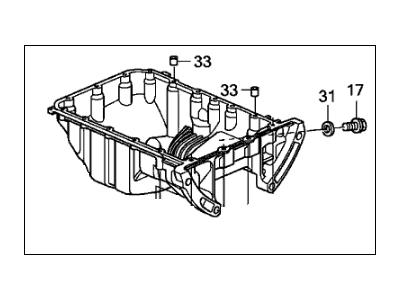
Acura Oil Pan
Part Number: 11200-RN0-A00$199.69 MSRP: $285.18You Save: $85.49 (30%)Ships in 1-3 Business DaysProduct Specifications- Other Name: Pan,Oil
- Replaced by: 11200-5MH-A00

Acura Oil Pan
Part Number: 11200-RAA-A00$328.52 MSRP: $469.18You Save: $140.66 (30%)Ships in 1-2 Business DaysProduct Specifications- Other Name: Pan, Oil
- Replaces: 11200-PNL-E00, 11200-PNA-000

Acura Oil Pan
Part Number: 11200-RDJ-A00$281.68 MSRP: $402.29You Save: $120.61 (30%)Ships in 1-3 Business DaysProduct Specifications- Other Name: Pan, Oil
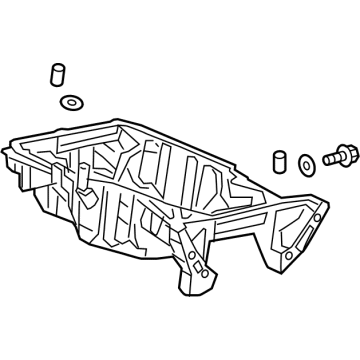
Acura Pan Assembly , Oil
Part Number: 11200-6S9-A00$189.92 MSRP: $271.23You Save: $81.31 (30%)Ships in 1-3 Business DaysProduct Specifications- Other Name: PAN ASSY., OIL; Oil Pan
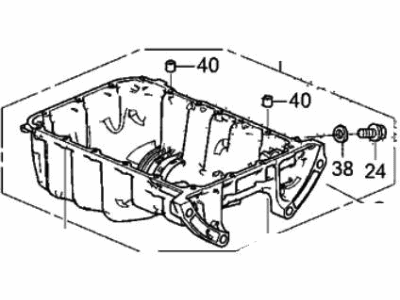
Acura Oil Pan Component
Part Number: 11200-61A-A00$300.08 MSRP: $428.57You Save: $128.49 (30%)Ships in 1-3 Business DaysProduct Specifications- Other Name: Pan Component, Oil; Oil Pan
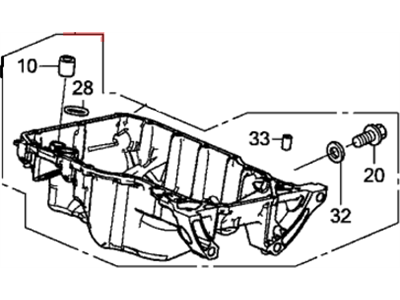

Acura Oil Pan Assembly
Part Number: 11200-5A2-A00$255.41 MSRP: $364.77You Save: $109.36 (30%)Ships in 1-3 Business DaysProduct Specifications- Other Name: Pan Assembly, Oil; Oil Pan
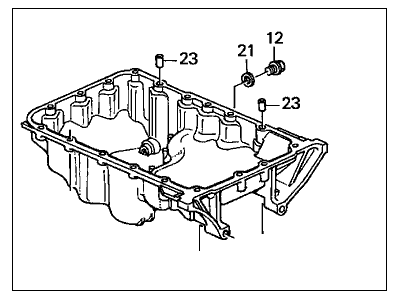

Acura Oil Pan
Part Number: 11200-P8A-A00$375.98 MSRP: $536.96You Save: $160.98 (30%)Ships in 1-3 Business DaysProduct Specifications- Other Name: Pan, Oil ; Oil Pan Assembly; Oil Pan Assembly
- Replaces: 11200-P8F-A00, 11200-PXK-000

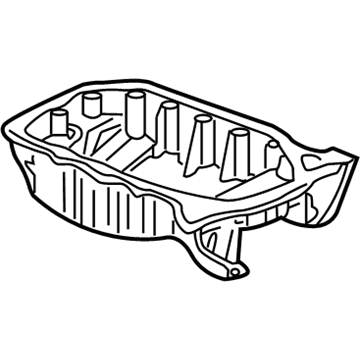 Product Specifications
- Other Name: Pan, Oil; Oil Pan


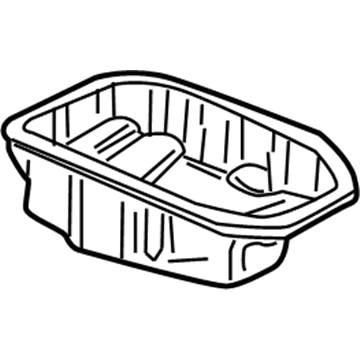 Product Specifications
- Other Name: Pan, Oil
| Page 1 of 3 |Next >
1-20 of 51 Results
About Acura Oil Pan
In the cooling system, the oil pan plays an important role. When your Acura is not running and the engine is resting, there are some oil flows down from the sides of the crankcase, and oil pans collects these oils. In other words, oil pan acts like an oil reservoir of the crankcase. The oil pan is usually made of thin steel and shaped into a deeper section. The location of the oil pan is where the oil pump is. However, after a longtime usage, the oil pan can be broken or leak, so check your oil pan in time for you and your family safety. If you find consistent oil leak in the same place under your Acura, or if you smell a smoke from engine compartment, then there is a possibility that your oil pan is in a risky condition. What you need to do next is getting a new oil pan and changing it by yourself, and you can save a lot of money in this way. What we can help you is we offer you all Acura genuine OEM oil pan with an attractive price.
Acura Oil Pan Parts Questions & Experts Answers
- Q: How to remove and install an Oil Pan on a SOHC engine in an Acura Integra?A:To remove the oil pan, first warm up the engine, drain the oil, and replace the oil filter. Disconnect the cable from the negative terminal of the battery, ensuring you have the correct activation code for the radio if it has an anti-theft system. Raise the vehicle and support it securely on jackstands, then remove the splash shield from under the engine. Next, remove the bolts securing the oil pan to the engine block and tap on the pan with a soft-face hammer to break the gasket seal, detaching the oil pan without prying between the block and oil pan mating surfaces. For installation, use a gasket scraper to remove all traces of the old gasket and sealant from the engine block and oil pan, ensuring the threaded bolt holes are clean. Clean the oil pan with solvent and dry it thoroughly, checking for distortion around the gasket flanges. Clean the mating surfaces on the engine block and oil pan with lacquer thinner or acetone to remove any oil residue. Apply a 1/8-inch wide bead of RTV sealant to the corners of the oil pan where they meet the rear oil seal retainer and the oil pump, then install the gasket onto the oil pan. For non-VTEC engines, apply additional 1/8-inch wide beads of RTV sealant at four places on the engine block, while for VTEC engines, apply them at two places on the top of the oil pan gasket. Carefully place the oil pan in position and install the bolts finger tight, then tighten them in a criss-cross pattern starting from the center and working outward in three equal steps to the specified torque, avoiding over-tightening to prevent leakage. Wait at least one hour before adding oil, then run the engine and check for oil leaks.